Reports of suspected shellfish poisoning
2005-03-15
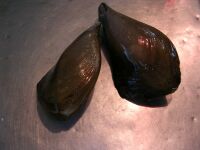
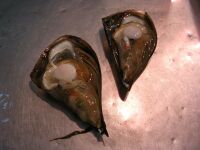
The Centre for Health Protection (CHP) of the Department of Health today (March 15) urged members of the public to be extra cautious when consuming scallops and to avoid eating the inside organs such as viscera, gonad and roe as they could contain toxin which may cause poisoning.
The advice followed five reports of suspected cases of shellfish poisoning affecting a total of 13 people, comprising 5 men and 8 women aged from 11 to 57.
The patients developed nervous system related symptoms including dizziness, limb weakness, blurred vision, calf cramps 20 to 90 minutes after consuming steamed scallops during dinner at home on March 13 and 14. The scallops were bought from markets in North District, Tin Shui Wai, Yuen Long and Eastern and Wong Tai Sin Districts.
Seven of the patients attended the accident and emergency department of public hospitals. All are in stable condition and did not require hospitalization.
The cases, the first five reported in 2005, have been referred to Food and Environmental Hygiene Department for follow-up action.
DH received 11 reports of shellfish poisoning involving 36 people in the past five years.
A CHP spokesman said, "Poisoning can result from ingestion of shellfish contaminated with a kind of toxin called phycotoxins. These toxins are produced by free-living micro-algae, upon which the shellfish feed.
"Bivalve shellfish such as scallops, clams, mussels, oysters, fan shells, which are filter-feeders and naturally ingest the toxic algae in water, are common vehicles responsible for shellfish poisoning.
"When the algae are toxin-producing, the toxins will be concentrated in the shellfish tissue, particularly in the inside organs. The amount of toxin in the shellfish depends on the number of toxic algae ingested."
The spokesman reminded members of the public to take the following precautionary measures when consuming bivalve shellfish:
- Buy shellfish from reputable and licensed seafood shops.
- Eat a smaller amount of shellfish in any one meal, and avoid eating the viscera, gonad and roe.
- Toxins that are heat-stable cannot be destroyed through cooking. However, thorough cooking to boiling temperature will highly reduce the risk caused by microbiological contamination.
- Children, patients and the elderly may be susceptible to poisoning and should be cautious in consuming shellfish.
End/Tuesday, March 15, 2005