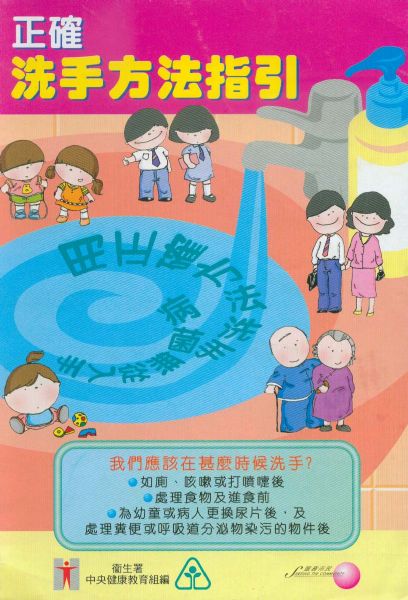
Guidelines for Good Handwashing
Say 'No' to Germs
Wash hands properly
When should we wash our hands?
* right after going to the toilets
* when hands are contaminated by respiratory secretion
* before handling food and eating
* Those who look after young children or the sick should also wash their hands after changing diapers and after handling soiled articles
Handwashing, when done correctly, is an important personal hygiene practice to prevent the spread of communicable diseases. Many diseases can be spread easily if hands soiled with faecal matter or respiratory discharges are not properly washed. Examples of such diseases include dysentery, cholera, hepatitis, influenza, and hand, foot and mouth disease, etc.
Tips for good handwashing
Hands can be washed in different ways to achieve the same effect of removing dirt and reducing germs. The following steps are suggested for reference:
1 Wet hands under running water.
2 Apply liquid soap and rub hands together to make a soapy lather.
3 Away from the running water, rub the front and back of hands. Massage all the finger tips properly including the thumb, the web of the fingers, around and under the nails. Do this for at least 10 seconds.
4 Rinse hands thoroughly under running water.
5 Dry hands thoroughly with either a clean cotton towel, a paper towel, or a hand dryer.
6 The cleaned hands should not touch the water tap directly again. The tap may be turned off by using the towel wrapping the faucet; or after splashing water to clean the faucet; or by another person.
Please Note:
Towels should never be shared.
Each used towel should be properly disposed of.
Individuals who prefer to use their own cotton towel should make sure that their towel is not shared with others. It is preferable to have more than one cotton towel for each day's use. The towels should be washed at least once daily.